Minnesota Leads the Way in Eco-Friendly Construction Waste Disposal for Cleaner Building
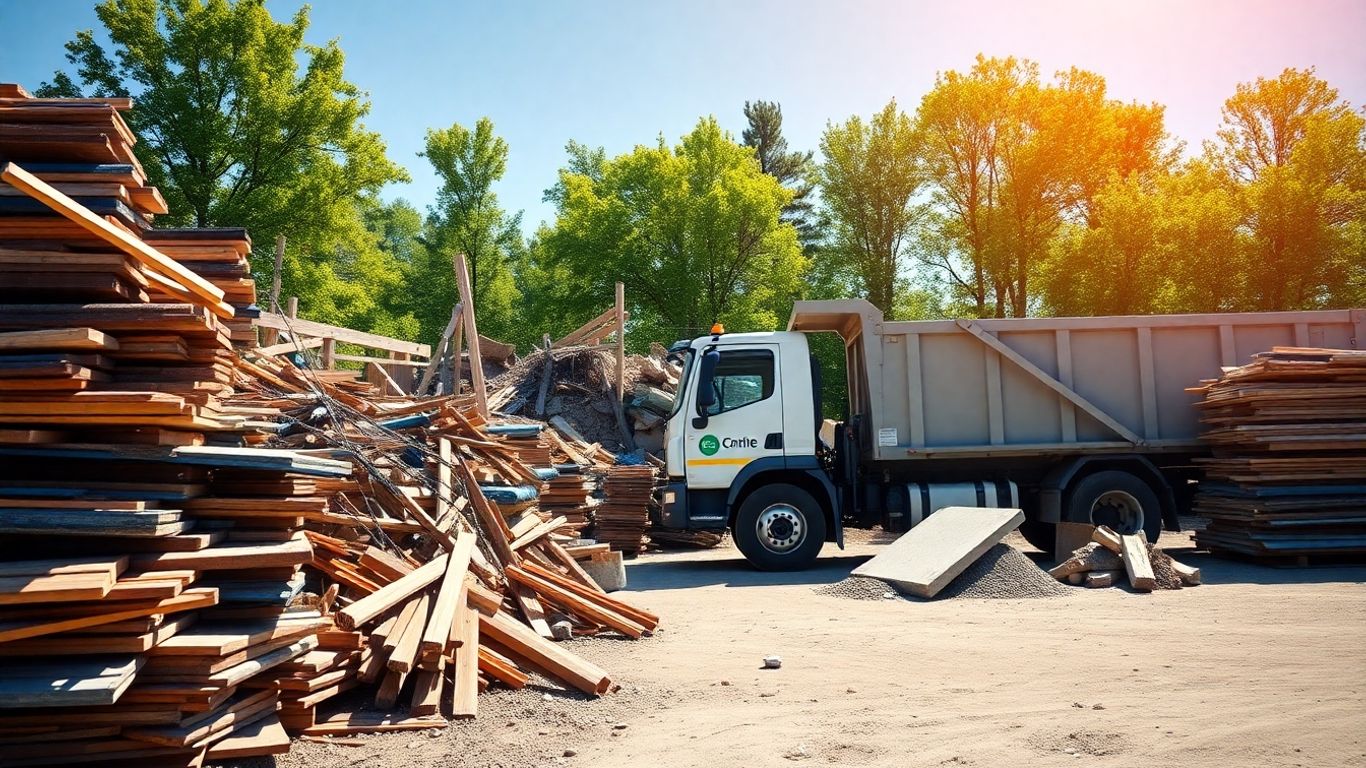
Building something new or tearing down the old can create a lot of waste. Minnesota is stepping up, showing other places how to handle construction and demolition debris in a way that's better for the environment. It's all about being smarter with materials, reducing what goes to landfills, and creating a cleaner future for building projects across the state. This approach, called Eco-Friendly Construction Waste Disposal: Minnesota’s Push Toward Cleaner Building Practices, is gaining traction.
Key Takeaways
- Minnesota is leading the way in handling construction and demolition waste more responsibly.
- Deconstruction, which carefully takes buildings apart for reuse and recycling, is a key strategy.
- This method helps reduce pollution and the strain on landfills.
- The state is promoting green jobs and supporting individuals through these initiatives.
- Minnesota aims for a zero-waste future by improving how we manage building materials.
Minnesota's Leadership In Eco-Friendly Construction Waste Disposal
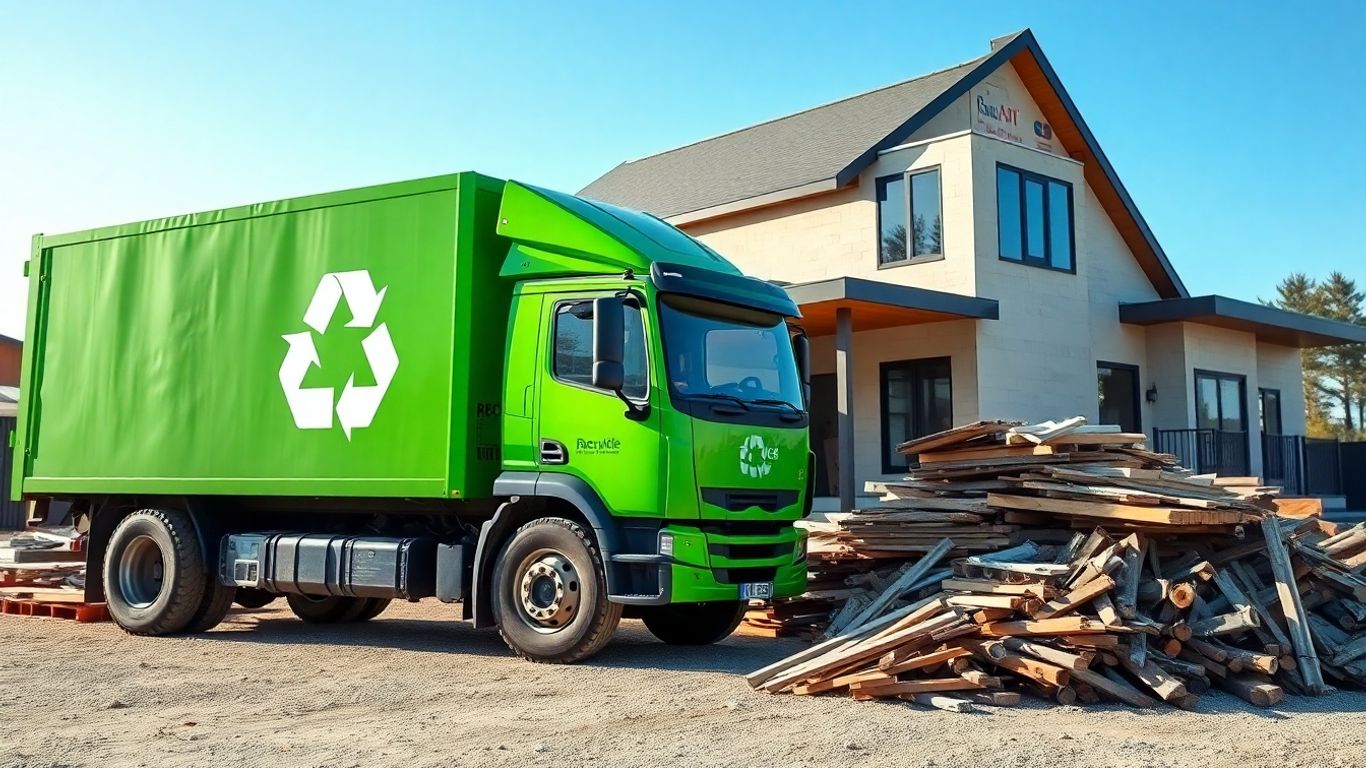
The Growing Challenge of Construction and Demolition Waste
Building and tearing down structures is a big part of how our communities grow and change. But with all this activity comes a lot of waste. Think about all the old houses, barns, and commercial buildings that get replaced. When they're just knocked down and hauled away, a huge amount of material ends up in landfills. This isn't just a Minnesota problem; it's happening everywhere. We're talking about wood, drywall, concrete, metal, and so much more. It piles up fast, and frankly, it's a waste of good resources.
Deconstruction: A Sustainable Alternative to Demolition
Instead of just smashing things down, there's a smarter way called deconstruction. It's like carefully taking a building apart, piece by piece. This process lets us salvage materials that can be used again or recycled. We're talking about old-growth wood that's hard to find these days, usable doors, windows, fixtures, and even cabinets. It's about giving building materials a second life instead of burying them. This approach not only keeps waste out of landfills but also preserves valuable resources.
Minnesota's Commitment to Cleaner Building Practices
Minnesota is really stepping up when it comes to dealing with construction waste. The state is pushing for better ways to handle what's left over from building projects. This includes promoting deconstruction services and supporting businesses that focus on reusing and recycling materials. It's a move towards a more responsible way of building and developing our communities, aiming for a future where less goes to waste.
The Environmental Impact of Traditional Construction Waste
When buildings come down, especially older ones, it's not just about making space for something new. The old way of doing things, just smashing and hauling everything away, has some pretty serious downsides for our planet. It's a big part of why Minnesota is looking at better methods.
Pollutants Released During Demolition
Demolition isn't a clean process. When structures are torn down, especially those built decades ago, they can contain materials that are harmful if released into the environment. Think about things like lead paint, which was common in older homes, or asbestos, used for fireproofing. When a building is demolished, these substances can become airborne. This dust can spread, affecting air quality in the surrounding neighborhoods and posing health risks to people and animals. It’s like a hidden danger that traditional demolition just stirs up and spreads around.
Wasted Resources from Burned Building Materials
Sometimes, instead of hauling debris, old structures might be burned. This might seem like a way to get rid of waste, but it's a huge waste of valuable resources. Old-growth wood, for example, is a material that took a long time to grow and has a lot of character and strength. Burning it not only destroys this resource but also releases smoke and greenhouse gases into the atmosphere. It's a double loss: we lose the material, and we contribute to air pollution.
The Landfill Burden of Construction Debris
Even when materials aren't burned or don't release harmful dust, they often end up in landfills. Construction and demolition (C&D) waste makes up a significant chunk of what we throw away. A study from Yale University pointed out that about 12.8 percent of all materials in landfills comes from C&D waste. And the kicker? Nearly 80 percent of that could have been reused or recycled. This means we're filling up valuable landfill space with materials that still have a lot of life left in them. It's a missed opportunity and a growing problem for waste management.
Traditional demolition and disposal methods create a cycle of pollution and waste. Harmful substances can become airborne, valuable materials are destroyed, and landfills fill up unnecessarily. This approach is simply not sustainable for the long term.
Here's a quick look at the problem:
- Air Pollution: Release of lead, asbestos, and other fine particles.
- Resource Depletion: Burning valuable wood and other materials.
- Landfill Overload: Burying items that could be repurposed.
It's clear that the old way of handling construction waste just isn't cutting it anymore. Minnesota's move towards deconstruction is a direct response to these environmental challenges.
Deconstruction Services: Diverting Waste from Minnesota Landfills
Maximizing Reuse and Recycling Potential
When it's time to take down an old building, whether it's a house, a barn, or a commercial space, the usual thought is just to bring in the wrecking ball and haul everything to the dump. But in Minnesota, there's a smarter way to handle this: deconstruction. Instead of just smashing and trashing, deconstruction is a careful process of taking buildings apart piece by piece. This isn't just about being tidy; it's about giving valuable materials a second life.
Think about it – old-growth lumber, vintage fixtures, even intact windows and doors can often be salvaged. These aren't just scraps; they're resources. By taking the time to deconstruct, we can pull out these items before they end up buried in a landfill. This process is key to reducing the sheer volume of construction and demolition waste that piles up. It's estimated that a huge chunk of what goes to landfills could actually be reused or recycled, and deconstruction is the method that makes this possible.
Here’s a look at what deconstruction services typically focus on:
- Salvaging Wood: Reclaiming beams, flooring, and paneling for reuse in new projects or for sale.
- Recovering Fixtures: Carefully removing sinks, tubs, lighting, and hardware that can be refurbished.
- Extracting Doors and Windows: Preserving solid wood doors and functional windows that still have plenty of life left.
- Recycling Metals: Separating and recycling copper, steel, and other metals found in the structure.
Achieving High Diversion Rates
Deconstruction isn't just a feel-good activity; it has a real, measurable impact. The goal is to divert as much material as possible from landfills. Traditional demolition might only see a small percentage of materials recycled, often just the concrete or metal. Deconstruction, on the other hand, aims for much higher numbers. Organizations in Minnesota specializing in deconstruction often report diversion rates that are pretty impressive.
| Material Type | Typical Diversion Rate (Deconstruction) |
|---|---|
| Wood | 75-85% |
| Metals | 90-95% |
| Fixtures | 60-70% |
| Other | 50-60% |
These rates mean that for every ton of building material, a significant portion is kept out of the ground. This directly combats the landfill burden and conserves natural resources that would otherwise be needed to create new materials. It’s a practical approach to waste management that benefits the environment significantly.
The Role of ReUse Warehouses and Online Stores
So, what happens to all these salvaged materials? That's where reuse warehouses and online stores come in. These facilities act as crucial hubs for the materials recovered through deconstruction. Instead of these items being lost forever, they are cleaned, cataloged, and made available to the public, contractors, and DIY enthusiasts.
- ReUse Warehouses: These physical stores offer a treasure trove of building components. You can find anything from antique doorknobs to sturdy wooden beams. They provide a tangible place for people to browse and purchase reclaimed items.
- Online Stores: Expanding the reach, online platforms allow these salvaged materials to be seen and bought by a wider audience, even beyond Minnesota. This makes it easier for people to find unique items for their projects and supports the deconstruction effort.
These outlets not only give salvaged items a new home but also create a market for deconstructed materials, making the entire process more economically viable. It closes the loop, turning what would be waste into a valuable resource for future building and renovation projects.
Deconstruction is more than just taking a building apart; it's a deliberate act of resource conservation that directly reduces landfill waste and supports a circular economy for building materials in Minnesota.
Economic and Social Benefits of Deconstruction
Creating Green Jobs and Workforce Development
Deconstruction isn't just good for the planet; it's also a real job creator. When we take buildings apart piece by piece, instead of just smashing them down, we need more people on the job. This means more opportunities for folks looking for work, especially in fields related to construction and recycling. It's a chance to build a skilled workforce that knows how to handle materials carefully and responsibly.
- More hands-on labor: Deconstruction requires a team to carefully dismantle structures, unlike demolition which is often mechanized.
- Skill development: Workers learn valuable trade skills in salvage, material handling, and identification.
- Local employment: These jobs are typically based in the community, keeping economic benefits close to home.
Supporting Individuals in Their Journey to a Better Future
Many deconstruction initiatives in Minnesota focus on providing pathways to stable employment for individuals facing barriers to work. This often includes programs for formerly incarcerated individuals or those seeking to rebuild their lives. By offering training and steady work in deconstruction, these programs help people gain confidence, develop new skills, and secure a more positive future for themselves and their families. It's about giving people a second chance and a solid foundation to build upon.
Community Partnerships for Environmental Stewardship
When communities come together for deconstruction projects, it really makes a difference. Local governments, non-profits, and businesses can team up to make these efforts successful. These partnerships help spread the word about deconstruction, find places to donate salvaged materials, and make sure everyone knows how to participate. It builds a stronger sense of shared responsibility for our environment and creates a more sustainable community for everyone.
Working together on deconstruction projects means more than just diverting waste. It's about building a community that values sustainability, provides opportunities for its residents, and actively works towards a cleaner future for Minnesota.
Statewide Initiatives and Sustainable Building Standards
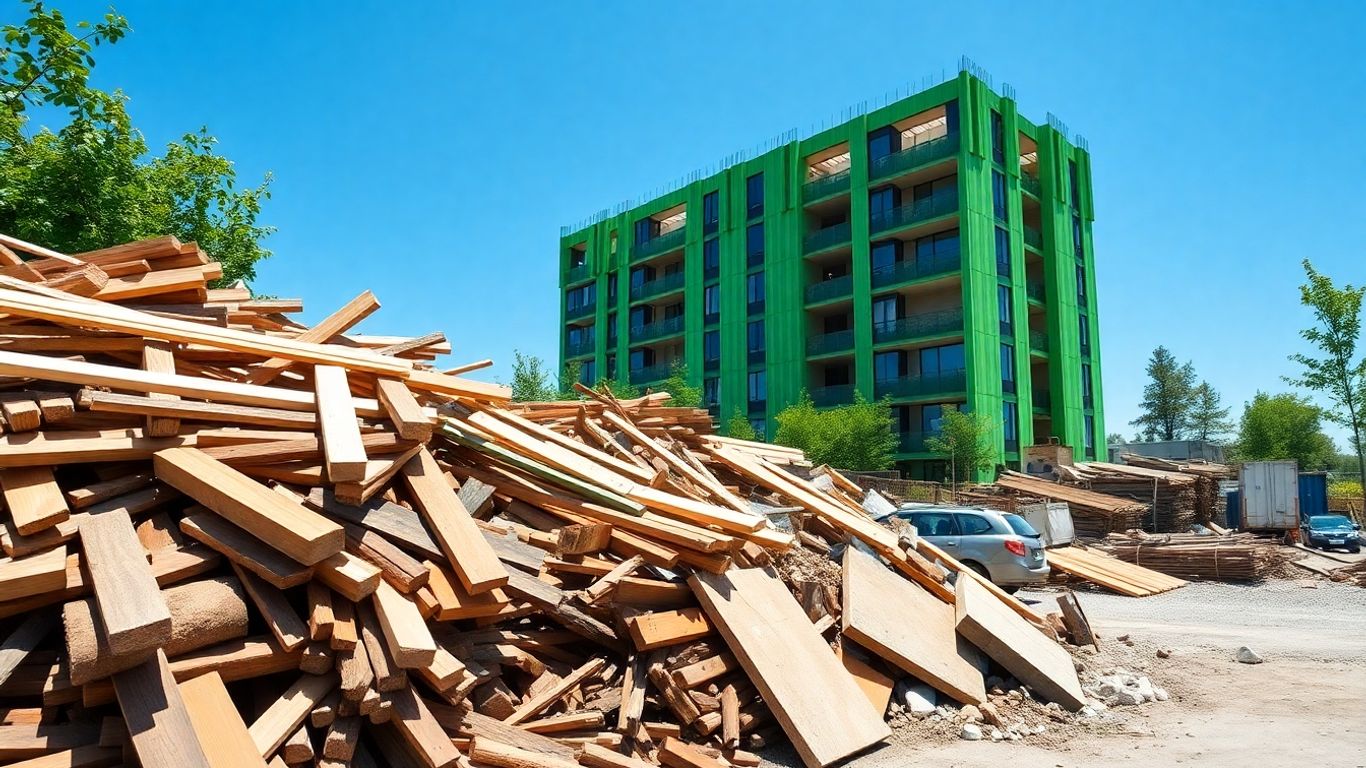
The Impact of the State of Minnesota's Sustainable Building Standards
Minnesota isn't just talking about greener building; it's putting policies in place to make it happen. The state's Sustainable Building Standards, often referred to as the B3 program, are a big deal. These standards guide all new construction and major renovations across Minnesota. They're designed to push buildings toward better performance, especially when it comes to energy use. The goal is to make sure new and updated buildings are significantly more energy efficient than older ones.
Driving Energy Efficiency in New Construction
These standards really focus on cutting down how much energy buildings need. Think about it: less energy used means fewer emissions. The B3 program sets clear targets. For instance, buildings built today under these standards are expected to be around 80 percent more energy efficient compared to those constructed back in 2003. That's a huge leap!
Here's a look at what the standards encourage:
- Reduced Energy Consumption: Mandating better insulation, high-performance windows, and efficient HVAC systems.
- Water Conservation: Promoting low-flow fixtures and water-wise landscaping.
- Material Selection: Encouraging the use of sustainable, recycled, and locally sourced materials.
- Indoor Air Quality: Requiring better ventilation and the use of low-VOC (volatile organic compound) products.
The push for energy efficiency isn't just about environmental good; it translates directly into lower utility bills for building owners and occupants over the life of the structure. It's a practical approach to sustainability.
Accelerating the Adoption of Green Building Practices
Beyond just setting standards, Minnesota is working to make these green practices the norm. This involves education, incentives, and a clear roadmap for builders and developers. The state recognizes that moving towards a zero-waste future in construction requires a coordinated effort. By setting a high bar with the B3 standards, Minnesota is encouraging innovation and the widespread use of eco-friendly materials and methods. This proactive approach helps divert waste from landfills and promotes a healthier built environment for everyone.
Minnesota's Vision for a Zero Waste Future
Minnesota is really looking ahead when it comes to how we handle building waste. The state isn't just thinking about today; it's planning for a future where we send as little as possible to the landfill. This means rethinking the whole process, from how buildings are taken down to what happens to every single piece of material.
Reducing Overall Waste Through Reuse and Recycling
It's pretty clear that just tossing construction and demolition debris isn't working. A lot of what gets thrown away could actually be used again. Think about old-growth wood from barns, perfectly good doors, or even intact windows. These aren't just trash; they're resources. Minnesota's approach focuses on making it easier to capture these items.
- Prioritizing Deconstruction: Instead of just smashing buildings down, deconstruction carefully takes them apart. This allows for the salvage of materials.
- Boosting Recycling Efforts: For materials that can't be directly reused, robust recycling programs are key. This includes breaking down concrete, metal, and other components into usable raw materials.
- Expanding Reuse Markets: Places like Better Futures Minnesota's ReUse Warehouse and their online store are vital. They create a demand for salvaged items, making deconstruction more practical and profitable.
The Importance of Local Government Partnerships
Making a zero-waste future happen isn't something the state can do alone. It needs everyone on board, especially local governments. They're on the front lines, dealing with building permits, zoning, and local waste management. When cities and counties get involved, it makes a big difference.
Working with local officials helps create consistent rules and support for deconstruction projects. It means less red tape for businesses and homeowners who want to do the right thing for the environment.
Empowering Residents with Cleaner Disposal Options
Ultimately, this vision is about making it simpler for everyone in Minnesota to make eco-friendly choices. This includes homeowners doing renovations, contractors on big job sites, and even people just cleaning out a garage. The goal is to have readily available, clear options for disposing of building materials responsibly.
- Clear Information: Providing easy-to-understand guides on what can be reused, recycled, or needs special disposal.
- Accessible Services: Making sure deconstruction services and drop-off points for salvaged materials are available across the state, not just in a few big cities.
- Incentives: Exploring ways to encourage greener practices, perhaps through tax breaks or streamlined permitting for deconstruction projects.
Minnesota is aiming for a future with no trash. This means finding new ways to handle old items and reduce waste. Let's all do our part to help make this happen. Visit our website to learn how we can help you clear out unwanted items responsibly.
Moving Forward with Minnesota's Green Building Practices
So, what does all this mean for Minnesota? It shows we're really stepping up when it comes to handling building waste. Instead of just tossing everything out, we're finding smart ways to reuse and recycle materials. This isn't just good for the environment, cutting down on pollution and saving resources, but it also creates jobs and supports local groups doing this work. It’s a win-win, really. As more projects adopt these methods, Minnesota is setting a great example for other places looking to build cleaner and greener. It’s a big step, and it’s happening right here.
Frequently Asked Questions
What is deconstruction and why is it better than demolition?
Deconstruction is like carefully taking a building apart, piece by piece, instead of smashing it down. This way, usable materials like wood, doors, and windows can be saved for reuse or recycling. It's much better for the environment because it keeps valuable stuff out of landfills and stops harmful dust from going into the air.
How does deconstruction help the environment in Minnesota?
Deconstruction helps Minnesota by reducing the amount of trash that goes into landfills. When buildings are torn down, lots of materials can be reused or recycled. This also means fewer resources are used to make new materials, and it prevents pollution from old building parts.
What kind of jobs does deconstruction create?
Deconstruction creates jobs for people who carefully take buildings apart. It also creates jobs in places like reuse warehouses where salvaged materials are sold. This helps people find work and learn new skills, often giving them a second chance at building a better life.
Are there places in Minnesota where I can buy reused building materials?
Yes, Minnesota has places like 'ReUse Warehouses' and online stores that sell materials saved from deconstruction projects. These places offer unique items for home improvement and help support green building efforts.
What are 'Sustainable Building Standards' in Minnesota?
These are rules and guidelines that help make new buildings and renovations more eco-friendly. They focus on using less energy, reducing waste, and making sure buildings are healthier for the people inside. Minnesota is working to make buildings more energy-efficient using these standards.
How can I help Minnesota move towards a 'Zero Waste' future with construction?
You can help by choosing deconstruction over demolition when you have an old building to remove. You can also support businesses that practice deconstruction and reuse. Even learning about and sharing information about these methods helps spread the word and encourages cleaner building choices for everyone.


Comments
Post a Comment